The 20 October Fixture That Filipino Bettors Are Overthinking
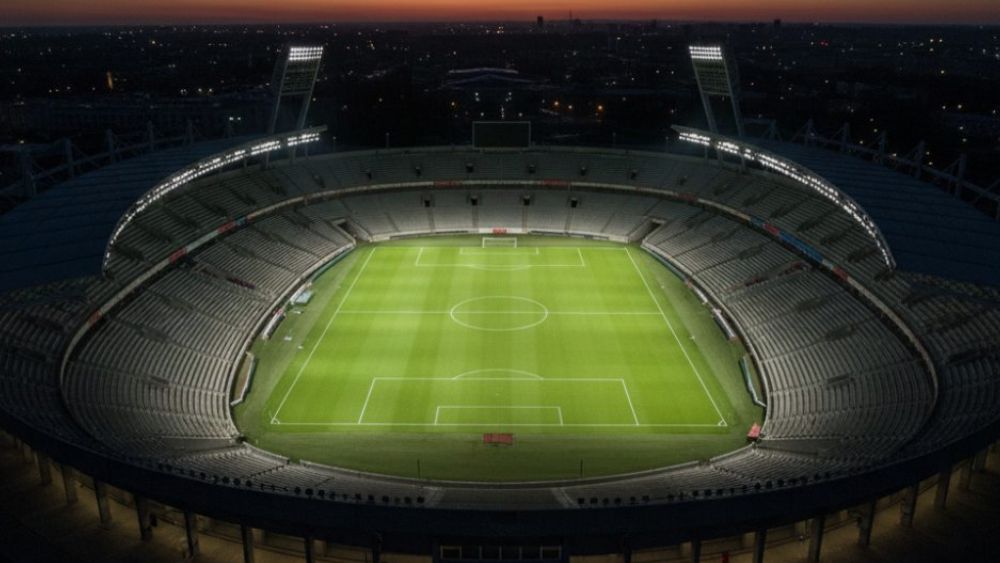
Fenerbahce against Slavia Prague at Şükrü Saracoğlu Stadium, Tuesday 20 October 2026, 16:45 UTC — that is 12:45 a.m. Wednesday on Philippine time, so this one lands squarely in the late-night window where most Manila and Cebu bettors are either settling Sunday's PBA tickets or scrolling through Champions League markets with one eye open. The card is short, the market is thin, and that is exactly why so much bad folk wisdom circulates about fixtures like this.
Let us set the scene plainly. Fenerbahce arrive on a run of LWWDD — a loss at the front of that string, then two wins, then two draws. Slavia Prague arrive on DLLLL, four straight defeats after a draw, which is the kind of form line that makes a casual bettor slam the away side into a builder without thinking. The home price sits at -150. The total is set at 2.5 goals.
That is the raw material. What follows is not a stats dump — the table above carries the fixture data, the form strings and the prices, and you should read it before reading this. What follows is the part that separates a disciplined bettor from someone who loses money on vibes: sorting the myths from the facts on this specific match.
| Info | Detail |
|---|---|
| Competition | Champions League |
| Kick-off | 00:45 21/10/2026 (GMT+8) |
| Venue | Şükrü Saracoğlu Stadium |
| Fenerbahce form | LWWDD |
| Slavia Prague form | DLLLL |
| Reference odds | FEN -150 (1.67) |
| Over/Under | 2.5 |
Myth One: A Team on Four Straight Losses Is a Free Win for the Hosts
This is the single most expensive myth in football betting, and it is everywhere in Philippine group chats the week a big name visits a struggling side. DLLLL looks catastrophic on the surface. But form strings compress almost nothing. Four defeats can be four one-goal losses in which a team created more expected goals than it conceded; it can be a brutal run of fixtures against seeded opposition, a goalkeeper injury, or a red card in the 20th minute that poisoned a result.
Slavia Prague's run has to be read against the level of opposition in the Champions League league phase, where a mid-seed club can face two or three genuinely elite sides in a month. The Czech side's identity — aggressive pressing, compact mid-block, set-piece competence — does not evaporate because the results column turned red.
The factual counterweight is that Slavia's form is bad and Fenerbahce's is decent. LWWDD is not spectacular but it is unbeaten in four. The mistake is treating "bad form" as a predictive variable of the same weight as home advantage and squad quality. It is a tiebreaker, not a thesis. If you are building a bet around a four-loss run, you need the underlying numbers to confirm that the losses were deserved. When they do not — and for a club at this level they frequently do not — you are betting the label, not the team.
Form tells you what happened. It does not tell you what will happen, and it never tells you whether the price is right.
Myth Two: -150 at Home Is a Trap Price Because It Looks Too Short
Filipino bettors have become sophisticated about odds in a way that sometimes backfires. Somewhere along the line, "short home favourite in Europe" became a byword for a trap, and now every -150 gets treated as if the bookmaker is daring you to take it.
Do the arithmetic instead of trading in folklore. A price of -150 implies a break-even probability of 60%. That is what the market is charging, more or less, before margin. The real question is not whether -150 feels short; the question is whether Fenerbahce win this match more than 60% of the time in the conditions you expect — at Şükrü Saracoğlu, against a side on a four-game losing run, with the Turkish crowd at full volume on a Champions League night.
Home advantage in European competition is real and measurable, and it is amplified at this venue more than at most. That is the factual side of the coin. The myth is that the price must be wrong because it is unexciting. A fair price and a boring price are the same thing. If you want entertainment, watch the match; if you want a return, price the probability.
Compare the implied 60% with a straight double-chance or draw-no-bet construction if you want insurance. The draw is doing a lot of work in that LWWDD string — two draws in five — and Fenerbahce's tendency to sit on a lead is precisely the reason the draw is live. Recognising that does not make -150 a trap; it makes it a price you either accept knowingly or pass on.
Myth Three: The 2.5 Line Always Goes Over When the Home Side Is Favoured
Nothing fills a betting slip faster than "favourite at home means goals." The over/under line here is 2.5, and the reflex is to take the over because Fenerbahce are expected to win. Reality is more awkward.
Slavia Prague's pressing structure is exactly the profile of a team that produces low-event matches when it is struggling for results. When a side has lost four in a row, the manager's first instinct is not to open up — it is to stop the bleeding. Compact shape, fewer bodies forward, more fouls in the middle third, longer spells of nothing happening. That is the tactical fingerprint of a team that wants a 0-0 or a narrow defeat far more than it wants a 3-2.
Fenerbahce's two draws in their last five also point the same way: this is a team capable of controlling a game without converting control into a pile of goals. A 1-0 or 2-0 home win fits comfortably inside the total line and kills the over.
The factual framing: 2.5 is a standard Champions League league-phase line, set where it is because the market expects a competitive, moderately-scoring match. Treating the over as automatic because the home side is favoured is a myth. If anything, the more disciplined angle is to look at whether the total is slightly inflated by the home favourite's reputation rather than by either side's actual scoring profile.
Myth Four: Turkish Home Crowds Guarantee a Fast Start
Şükrü Saracoğlu is one of the genuinely intimidating venues in European football, and the atmosphere on a Champions League night is not a marketing invention. The myth is a step further: that the crowd guarantees an early goal, so the first-half over or the "team to score first — home" market is free money.
What the crowd actually guarantees is pressure on the officials, an intensity that raises foul counts and card counts, and a psychological lift in the opening twenty minutes. It does not guarantee a goal. Slavia's response to a hostile away environment will be to slow the game — take their time on restarts, foul intelligently, get the ball into the corners. That is how experienced European sides neutralise a crowd.
The concrete, bettable translation is that a fast start is likelier than in a neutral fixture, but the right market to express that view is not necessarily the first-half goals line. Fenerbahce's corners and Slavia's card count are cleaner expressions of a hostile-road-game script, and they tend to be priced with less efficiency than the goals markets, which absorb the most money.
Myth Five: Away Form Travels the Same Way Home Form Does
Away performance in the Champions League league phase is its own animal. Travel, unfamiliar refereeing, hostile surfaces, and a compressed calendar all weigh on the visiting side, and the effect is magnified for clubs outside Europe's top five leagues.
The myth is that Slavia's DLLLL carries identical weight regardless of venue. In truth, a team that loses at home to a seeded side and loses away to a different seeded side is not on a single trajectory — the two results mean different things, and the market prices them differently for good reason. When a team's bad run includes fixtures where they were genuinely outclassed, and fixtures where they were competitive, the aggregate string flattens that distinction into a useless single line.
This is why the form column should be read alongside the venue column, the price, and the total — all of which the table above lays out side by side. The form column alone is the least informative of the four.
Where the Real Betting Edges Sit on This Card
Strip away the myths and the honest read is this: Fenerbahce are rightly favoured, the -150 is a defensible price rather than a trap, Slavia's form line is worse than their underlying quality, and the total is a genuine coin-flip between a controlled home win and a more open game.
Practically, that points to a few structured approaches:
- Home win, straight up. The simple -150 is the cleanest expression of the view that venue and squad quality outweigh Slavia's recent results. Size it as a core position, not a lottery ticket.
- Home win to nil or under 2.5 as a correlated lean. Slavia's likely game plan — compact, disruptive, slow — supports a low-scoring home win. A 1-0 or 2-0 is the modal outcome here.
- Draw-no-bet on the hosts. If the two draws in Fenerbahce's recent run bother you, draw-no-bet converts the -150 into a shorter price while refunding the stalemate. It is the compromise between confidence and caution.
- Avoid the away side entirely. DLLLL is not a buy signal. Backing a team on four straight defeats because the price is long is the oldest mistake in the book.
What you should not do is build a multi-leg accumulator around this fixture plus three others and pretend the analysis holds. Correlated risk in accas is how a smart single becomes a stupid slip. One position, properly sized, on the market you actually believe in.
Staking, Bonuses and the Practical Side for Philippine Players
Licensed Philippine-facing operators price Champions League fixtures like this through PAGCOR-authorised sportsbooks, and the ones worth your time run a 1.5% to 2.5% margin on top-flight European football. Anything above 4% on a mainstream market is a shop you should not be using.
On the bonus side, expect the standard shape: a first-deposit match between 100% and 150% up to around ₱5,000 to ₱10,000, with wagering set at 5x to 8x the bonus on odds of 1.50 or higher, and a 30-day expiry. The traps to watch: minimum-odds clauses that force you onto short-priced legs, maximum-bet caps while a bonus is active, and stake limits on the qualifying bet. A 150% match with an 8x rollover at 1.80 minimum odds is materially worse than a 100% match at 5x with a 1.50 floor.
Minimum deposits at the credible local operators sit around ₱200 to ₱500 via GCash, Maya, or InstaPay. Withdrawals clear in 15 minutes to 2 hours on e-wallets and same-day to next-banking-day on bank transfer. VIP tiers usually start at a rolling threshold of around ₱500,000 in monthly turnover, with the meaningful perks — boosted odds, dedicated account managers, faster payouts, higher caps — kicking in at the second tier and above. Do not chase VIP status on a single match ticket.
On the operational side: the 12:45 a.m. Philippine kickoff means you should place your bet before midnight and confirm the line you accepted. Late-night line moves on the total are common as Asian money arrives. Screenshot your slip. And if you are betting the total, know that the 2.5 line can flip to 2.75 close to kickoff — take the price you have analysed, not the one that appears at 12:40 a.m.
The Bottom Line You Can Actually Bet
Fenerbahce are favoured for good reason, and the myths stacked against this match are the familiar ones: bad form equals a free win, short prices are traps, home favourites mean goals, crowds mean early goals, and away form travels unchanged. Each is a shortcut that saves you the work of reading the fixture and costs you money at the window.
The facts are simpler. A decent host on a four-game unbeaten run, a visitor in poor form but not in poor quality, a fair price around -150, and a total set at 2.5 that rewards a considered view rather than a reflex. Read the table above, match the numbers to the tactical read, pick one position, and stake it as if the next ten fixtures on the card depend on this one being right. They do.